Background
  • arrow_back Home
  • keyboard_arrow_rightBlog classic

Blog classic

trending_flat

Surviving The Holy Month Of Ramadhan

يَا أَيُّهَا الَّذِينَ آمَنُوا كُتِبَ عَلَيْكُمُ الصِّيَامُ كَمَا كُتِبَ عَلَى الَّذِينَ مِن قَبْلِكُمْ لَعَلَّكُمْ تَتَّقُونَ “O believers, prescribed for you is the Fast, even as it was prescribed for those that were before you -- haply you will be godfearing” 2:183 – Arberry Translation. All of us have heard how important the Holy month of Ramadhan is for our spirituality.  The month in which the Holy Qur’an was sent down, the month which climaxes with the Night Of Power or Destination – a night worthy more than eighty years of worship!  A night that determines your year to come. But let’s face it, the days are long and in in some places the fasting day ends up being over 17 hours long.  The body can only do so much, and not all of us have the faith to power us […]
trending_flat

How many ayahs are there in the Holy Qur’an?

There are 6,236 Ayahs in the Holy Qur'an. We know there are 114 surahs, but many tend to not realise how many ayahs there are in the Holy Qur'an.   Some may give answers such as 6,666 or other variables.  We roughly know there are 6,000 ayahs, but what is the definitive answer? The following table lists the number of Ayahs in each surah so that you can open the Holy Book verify the answer for yourself and put the debate to rest. Surah Order Name Final Count 1 1. Al-Fatihah (The Opening) 7 2 2. Al-Baqarah (The Cow) 286 3 3. Al-'Imran (The Family of Amran) 200 4 4. An-Nisa' (The Women) 176 5 5. Al-Ma'idah (The Food) 120 6 6. Al-An'am (The Cattle) 165 7 7. Al-A'raf (The Elevated Places) 206 8 8. Al-Anfal (Voluntary Gifts) 75 9 9. Al-Bara'at / At-Taubah(The Immunity) 129 10 10. Yunus (Jonah) […]

trending_flat

Advice from Syed Sistani On The Manners Of Eating And Drinking

Recent posts on the issue of direct causes of diseases, one being on the topic of eating food and the other on drinking fluids, or the overconsumption of them, may well lead to the question - "What do our scholars say about the manners of eating?" It may not seem to be such a significant issue at first glance, yet is one that holds such importance, that it is included in the Islamic Laws of Syed Sistani, albeit under the topic of "Slaughtering and Hunting of Animals". Interestingly, many of the issues that are covered and raised in his recommendations are strongly held under the principles of Islamic Health and Wellbeing, or Islamic Medicine. Keeping in mind that the content of the Islamic Laws book contains only the results of many years of study and research, investigations of the authenticities […]

trending_flat

Direct Causes of Disease – Part 3: Anxiety and Sadness

EXECUTIVE SUMMARY: Anxiety and sadness are a direct cause of illness. Causes are due to sinning, love of the world, and jealousy. Therapies include supplications and remembrance, grapes, yellow footwear, ablution before and after food, and patience. Anxiety and Sadness - Direct Causes The third direct cause of diseases are anxiety and sadness.  Significant stress from anxiety and sadness, which the Prophet, peace be upon him and his Purified Household, always sought protection of Allah from, is entangled in the life of craving for the ‘worldly life’ success in achieving success in it.  The Prophet, peace be upon him and his Purified Household, taught supplications to recite and foods that should be eaten to control this form of stress. The Prophet, peace be upon him and his Purified Household, would supplicate after the dawn prayers: اللهم اني اعوذ بك من […]

trending_flat

Direct Causes of Disease – Part 2: Over drinking

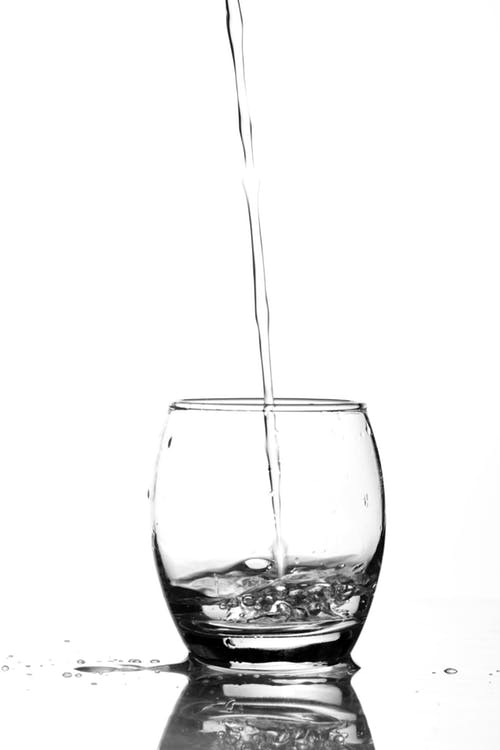
EXECUTIVE SUMMARY: Do not drink excessive amounts of water, but rather drink to not fully satiate thirst. Do not drink with meals, and delay drinking fluids after food. Drink in three portions. Drinking in one go is likened to drinking like camels and the people of hellfire drinking boiling water (56:54-55). Say the “Basmalla” (بِسْمِ اللَّـهِ الرَّحْمَـٰنِ الرَّحِيمِ) before each portion and “Al Hamdu” (الْحَمْدُ لِلَّـهِ رَبِّ الْعَالَمِينَ) after each portion. Drink seated at night, standing in the daytime. Over drinking Just as in the first cause, over eating, over drinking is also a cause of disease.  Extravagant or excessive drinking of fluids, even the very source of life itself, water, can cause illnesses and weaken one’s strength.  This is a testament to the verse: وَخُلِقَ الْإِنسَانُ ضَعِيفًا …for man was created a weakling. (4:28) Everything imaginable can be the […]

trending_flat

Hirz from the Divinely Guided Peace Be Upon Them

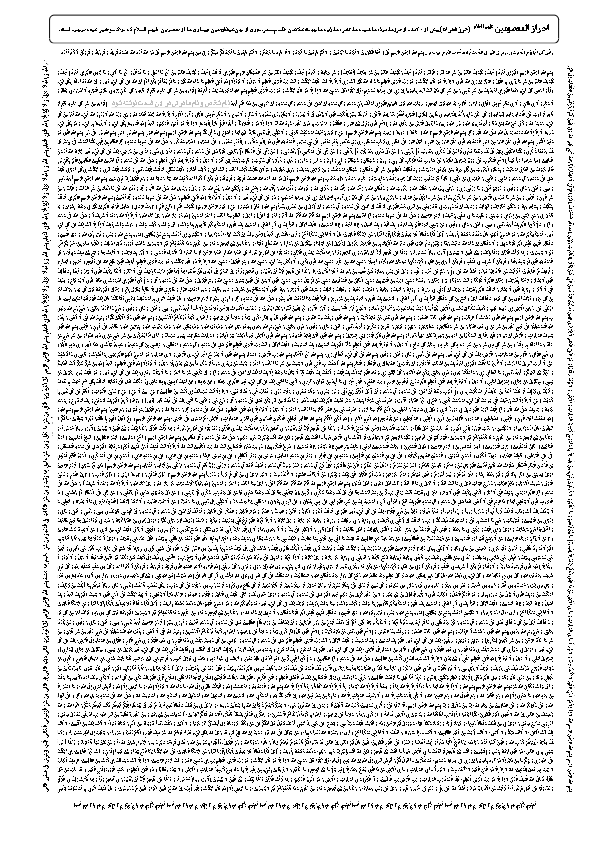
Salamun Alaykum This Hirz/Amulet is from the Divinely Guided Peace Be Upon Them - More than 70 protective #supplications, seeking of protection, ruqiayahs for breaking spells, magic, charms, distance from jinn, shaytan, and illnesses narrated from the Divinely Guided Peace Be Upon Them from credible #Shia sources. Instructions: 1. To be printed carried with the individual. 2. The carriers name needs to be written in three locations indicated as an underlined grey section: A) Page 1: The name of the individual and mother (for example Ali son of Zahra). B) Page 2 first and second location: The name of the individual and mother (for example Ali son of Zahra). C) Page 3 third location: The name of the individual and mother (for example Ali son of Hassan). While these may be available in Qom and Iran in general, they are […]

trending_flat

Direct Causes of Disease – Part 1: Overconsumption

Causes of illness There are two types of causes, direct and indirect.  Indirect causes of illnesses may be part of the reason, or part of a mechanism in which a disease may be caused.  On its own, a disease may not result, except after the completion of other incomplete causes put together to make the combination of causes complete to result in a disease. Like fire, not only is fuel and a flame required to trigger the combustion, but oxygen is also required, as is the absence of a deterrent which stops a fire from starting despite all other elements being present. Likewise, an indirect cause of disease needs a combination of events to occur for a disease to result. Direct causes, on the other hand, are not dependent on other events to occur, but can rather be the cause […]

Join Telegram

Join the Practical Islam telegram channel for updates on new content, news and thoughts.

قـرارگــاه ربّـیـون (روایتی الهی از جنگ)
0%

Login to enjoy full advantages

Please login or subscribe to continue.

LoginRegister

Go Premium!

Enjoy the full advantage of the premium access.

Login

Stop following

Unfollow Cancel

Cancel subscription

Are you sure you want to cancel your subscription? You will lose your Premium access and stored playlists.

Go back Confirm cancellation

×